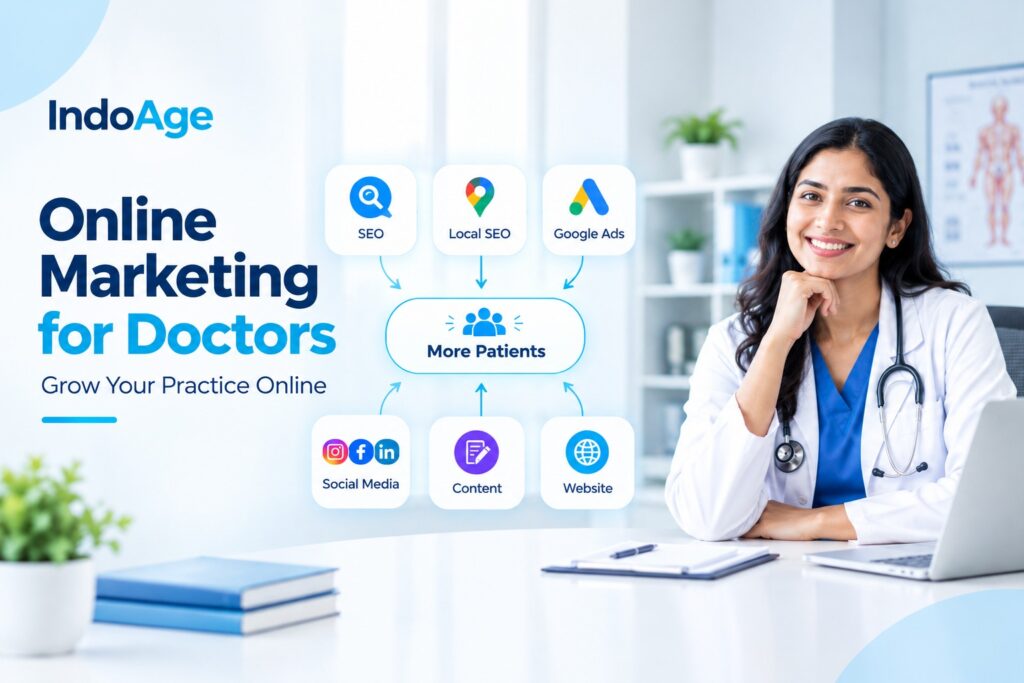
Digital marketing for healthcare professionals has become a necessity for healthcare providers in today’s technologically advanced society. Your patients are online, and that’s where you need to be, whether you’re a private practitioner, clinic owner, or employee of a major healthcare organisation.
The healthcare sector, which has historically relied on personal recommendations and in-person consultations, has experienced a dramatic change. Patients now look up symptoms on Google before calling a doctor, read reviews before scheduling an appointment, and follow medical professionals on social media to get reliable guidance. You’re already falling behind if your practice isn’t changing to reflect this shift.

Why Digital Marketing Matters in Healthcare
The patient of today is knowledgeable, connected, and in control. Healthcare workers now face both opportunities and problems as a result of this change. Digital marketing for healthcare workers can increase visibility, foster trust, enhance patient acquisition, and eventually expand your business if you use the correct approach.
This is why it’s important:
- Online Presence Establishes Credibility: Your online presence serves as the initial impression when prospective patients look for a physician or specialist. Building trust is facilitated by an attractive website, active social media accounts, and educational blog entries.
- Patients Expect Convenience: Patients are searching for physicians who use technology, from virtual consultations to online appointment scheduling. You can meet expectations and share these capabilities with the aid of digital marketing.
- Cost-Effective Growth: Digital marketing is far less expensive and provides a higher return on investment than traditional advertising (TV, radio, newspapers). Real-time campaign tracking and data-driven decision-making are both possible.
Key Strategies in Digital Marketing for Healthcare Professionals
Let’s examine the best practices for healthcare workers looking to establish a strong online presence.
1. Search Engine Optimization (SEO)
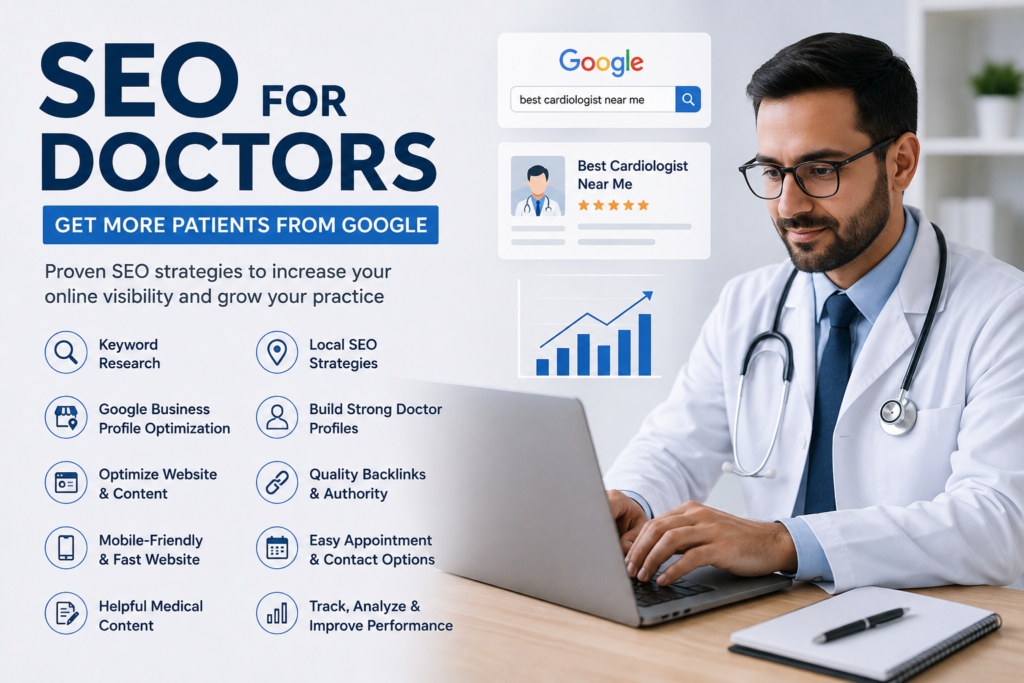
Online searches for symptoms, therapies, or specialists are common among patients. You can make sure you show up at the top of those search results by optimising your website and content for search engines. SEO is much more than simply keywords; it’s also about producing authoritative, pertinent content and improving the functionality of your website.
For instance, by writing blog entries about “the benefits of teeth whitening” or “how to prevent cavities,” a dentist might improve their position for local searches.
2. Content Marketing
For healthcare providers, the foundation of successful digital marketing is content. Videos, downloadable manuals, FAQs, and informative blog articles can demonstrate your expertise and provide answers to frequently asked patient issues.
Sharing valuable content on a regular basis establishes you as an authority in your industry. Additionally, it raises search engine rankings and promotes patient involvement.
3. Social Media Engagement
Social media sites like Facebook, Instagram, LinkedIn, and even TikTok have developed into effective marketing tools for the healthcare industry. You can establish more engaging and intimate connections with patients through social media.
Updates, health advice, patient endorsements (with consent), and behind-the-scenes glimpses into your practice can all be shared. This helps build enduring ties with your audience and humanises your brand.
4. Online Reviews and Reputation Management
Before selecting a healthcare provider, almost 70% of patients examine reviews. It’s critical to manage your internet reputation using resources like Yelp, Healthgrades, and Google Business Profile.
Urge pleased clients to write reviews and professionally address unfavourable comments. Good reviews boost your reputation and have a big impact on attracting new patients.
5. Email Marketing
Despite its outdated appearance, email marketing is still one of the best ways to keep patients interested. Distribute newsletters on a regular basis that include health advice, appointment reminders, and service updates.
This not only informs your patients but also fosters loyalty and encourages return visits.
Common Pitfalls to Avoid
It’s crucial to steer clear of these typical blunders while implementing digital marketing for healthcare professionals:
- Ignoring compliance with HIPAA: Any marketing plan must protect patient privacy and confidentiality. Don’t divulge private health information without permission.
- Neglecting mobile optimisation. The majority of consumers surf on mobile devices. Ensure that your emails and website are responsive.
- Ignoring analytics: Always monitor how well your campaigns are performing. Analytics are essential for improvement.
The Future of Digital Marketing in Healthcare
Digital marketing for healthcare professionals will continue to change as voice search, artificial intelligence, and personalised content gain traction. Maintaining your practice’s competitiveness requires being flexible and current with trends.
AI-powered chatbots, wearable technology integration, and telemedicine are only the beginning. Predictive and personalised healthcare marketing will enable providers to engage with patients in hitherto unattainable ways.
Final Thoughts
This transition to digital is the new norm, not just a fad. For healthcare practitioners, digital marketing is about more than just advertising; it’s about establishing credibility, offering value, and fostering enduring relationships with patients.
Healthcare providers may increase their visibility, draw in the proper patients, and prosper in a field that is becoming more and more competitive by investing in a clever, strategic digital marketing approach.
Now is the moment to take action, regardless of whether you’re just getting started with digital or want to improve your approach. Make sure you are online because your potential patients are already there.